
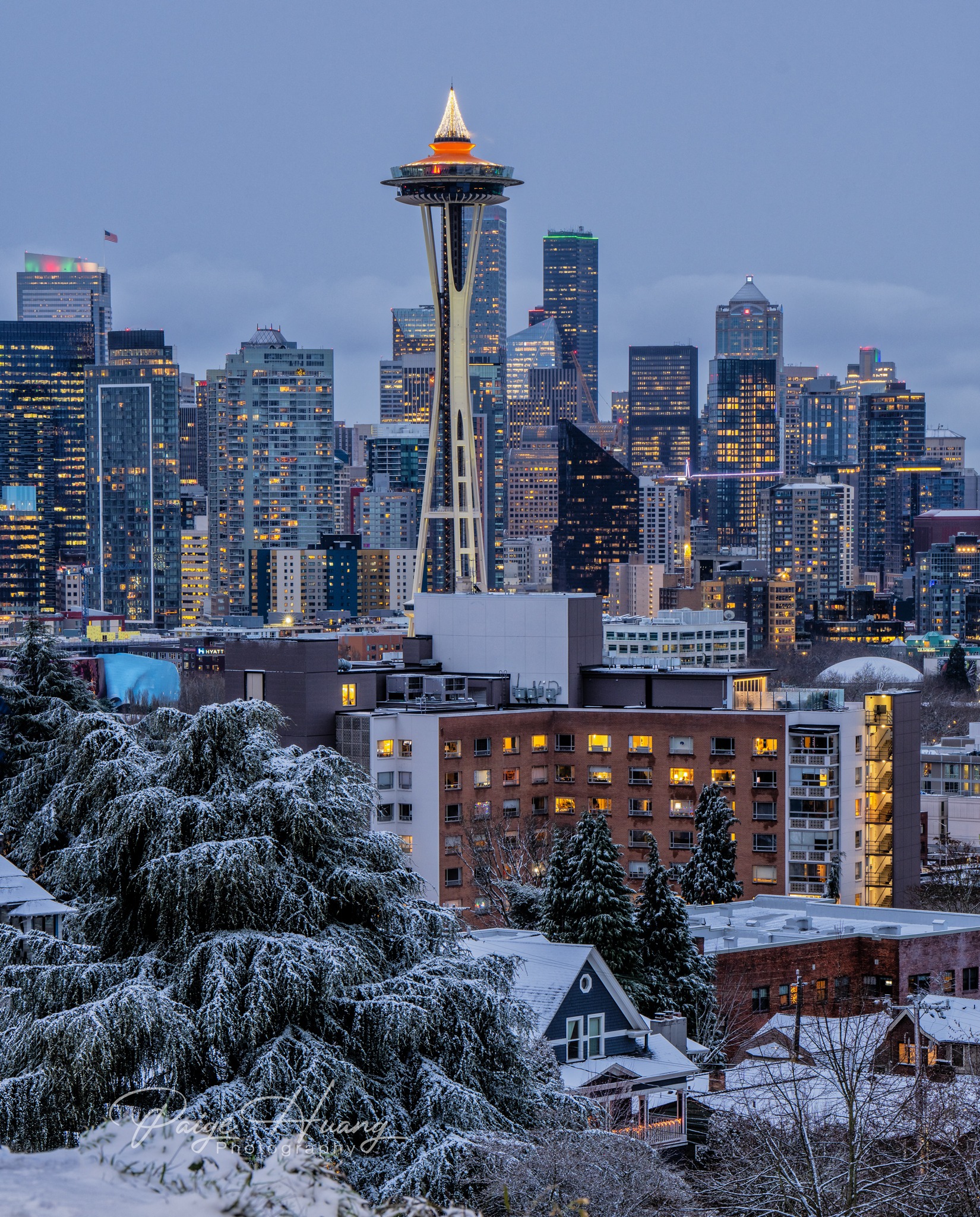
Most winter checklists cover the obvious: clean the gutters, check the furnace, find the flashlight. Those still matter. But a few of the items that cost Seattle homeowners the most money are the ones that never make the list, either because they’re out of sight or because most people assume someone else is responsible. Here’s what’s worth knowing before the wet season settles in.
You own more of your sewer line than you think
In Seattle, if you own your home, you own your side sewer: the private pipe that carries wastewater from your house to the public sewer. Your ownership runs all the way to the public pipe, which usually sits under the street. Seattle Public Utilities maintains the public sewer main; the line getting there is yours. If you share a side sewer with a neighbor, repairs are typically something you coordinate together.
Why it matters now: tree and shrub roots grow into cracks in older pipes and waste can build up over time. SPU suggests inspecting your side sewer every two to three years if large trees or shrubs grow near it, compared with every eight to ten years otherwise. Routine cleaning generally costs less than $1,500 and doesn’t require a city permit. A major repair is a different story; local agents report that replacing a failed line can run $10,000 to $40,000, or more, with older clay and concrete pipes carrying the most risk.
With holiday cooking ahead, it’s also a good reminder to keep cooking grease out of the sink. SPU notes that grease is one of the most common causes of sewer backups.
Your storm drain is your first line of defense
Seattle has roughly 30,000 storm drains, and in the fall, leaves are the main reason they clog. When they do, rainwater ponds on streets and can push toward driveways, sidewalks, and basements. Through the Adopt-a-Drain program, residents adopt a storm drain near home and keep it clear of leaves, which Seattle Public Utilities says helps prevent localized flooding. You can sign up and even name your drain at adopt-a-drain.org.
Still heating with oil? The math has changed
The City of Seattle has committed to helping transition all remaining oil-heated households to an alternate fuel source by 2030, and the incentives reflect it. Through the Seattle Clean Heat program, households switching from oil to a qualifying heat pump with a participating contractor can get a $2,000 instant rebate. Moderate-income households can add a bonus rebate of up to $4,000 on installations completed by May 30, 2027. Households below that income range may qualify for a free conversion through the Seattle Office of Housing.
The oil tank itself matters too. Underground tanks can rust and leak over time, contaminating soil and groundwater. The city recommends decommissioning a tank according to Seattle Fire Department requirements and Washington’s Pollution Liability Insurance Agency (or PLIA) offers a free leak grant and loan program covering up to $75,000 in cleanup costs for registered participants. If you plan to sell in the next year or two, knowing the status of any tank on your property ahead of time helps avoid surprises during inspection.
A rebate most people don’t know about
Seattle City Light offers a $750 rebate on heat pump water heaters, available as a contractor discount, an instant coupon at Home Depot or Lowe’s, or a mail-in rebate after purchase. For whole-home heating and cooling, City Light also offers instant discounts of $300 to $600 on qualifying air-source heat pumps through participating distributors, depending on the system’s efficiency rating. There are also rebates and incentives that can be stacked between manufacturer rebates, city initiatives, and the utility companies themselves; contact an HVAC contractor to discuss options and rebate programs that fit your circumstances.
Some links for those who want to do some due diligence ahead of time:
– Seattle.gov rebates for heat pumps, hot water heaters, thermostats, windows, solar, etc.
– Seattle Clean Heat Program: converting from oil to a heat pump via Seattle Clean Heat Program
– Puget Sound Energy (PSE) Rebate information
The basics, with a Seattle twist
– Gutters and downspouts: clean them after most of the leaves have dropped, and make sure downspouts carry water away from your home’s foundation.
– Roof moss: Seattle’s damp winters are an ideal environment for moss, which holds moisture against shingles. Talk with a roofer about safe removal rather than pressure washing.
– Outdoor faucets: disconnect hoses and cover hose bibs before the first hard freeze.
– Main water shutoff: find it now and make sure everyone in the house knows where it is, so a burst pipe doesn’t become a flooded floor.
If spring is on your mind
Many of these items show up in buyers’ inspection reports. Handling them this fall puts you in a stronger position if you’re thinking about listing next year, and it gives you time to plan rather than react. If you’d like a second set of eyes on your home before winter, reply here, we’re glad to help.
Sources: Seattle Public Utilities, Taking Care of Your Sewer Pipe (seattle.gov/documents/Departments/SPU/Services/DrainageSewer/SPU_Taking-Care-of-Your-Sewer-Pipe.pdf); The Madrona Group, What Is a Sewer Scope in Seattle (themadronagroup.com/faq/what-is-a-sewer-scope-seattle); KIRO 7, Adopt-a-Drain program debuted in Puget Sound cities, Oct. 8, 2021; adopt-a-drain.org; Seattle Office of Sustainability and Environment, Seattle Clean Heat Program (seattle.gov/environment/cleanheat); Seattle City Light, Heating and Cooling Your Home (seattle.gov/city-light). NOTE: Rebate amounts and deadlines can change. Seattle Clean Heat and City Light page last checked November 4, 2026.